

Good Buoyancy Should Be Part of Every Divemaster Internship
A Divemaster internship should help you become a confident,
capable and responsible dive professional. That means more
than completing theory, collecting dives and learning how
to guide a group.
One of its most important foundations is
reliable buoyancy control: maintaining your
depth, controlling your position and moving through the
water without touching the reef.
At Oceans 5 Gili Air, we take this seriously.
Your buoyancy affects your safety, the example you set for
other divers and the marine environment around you.
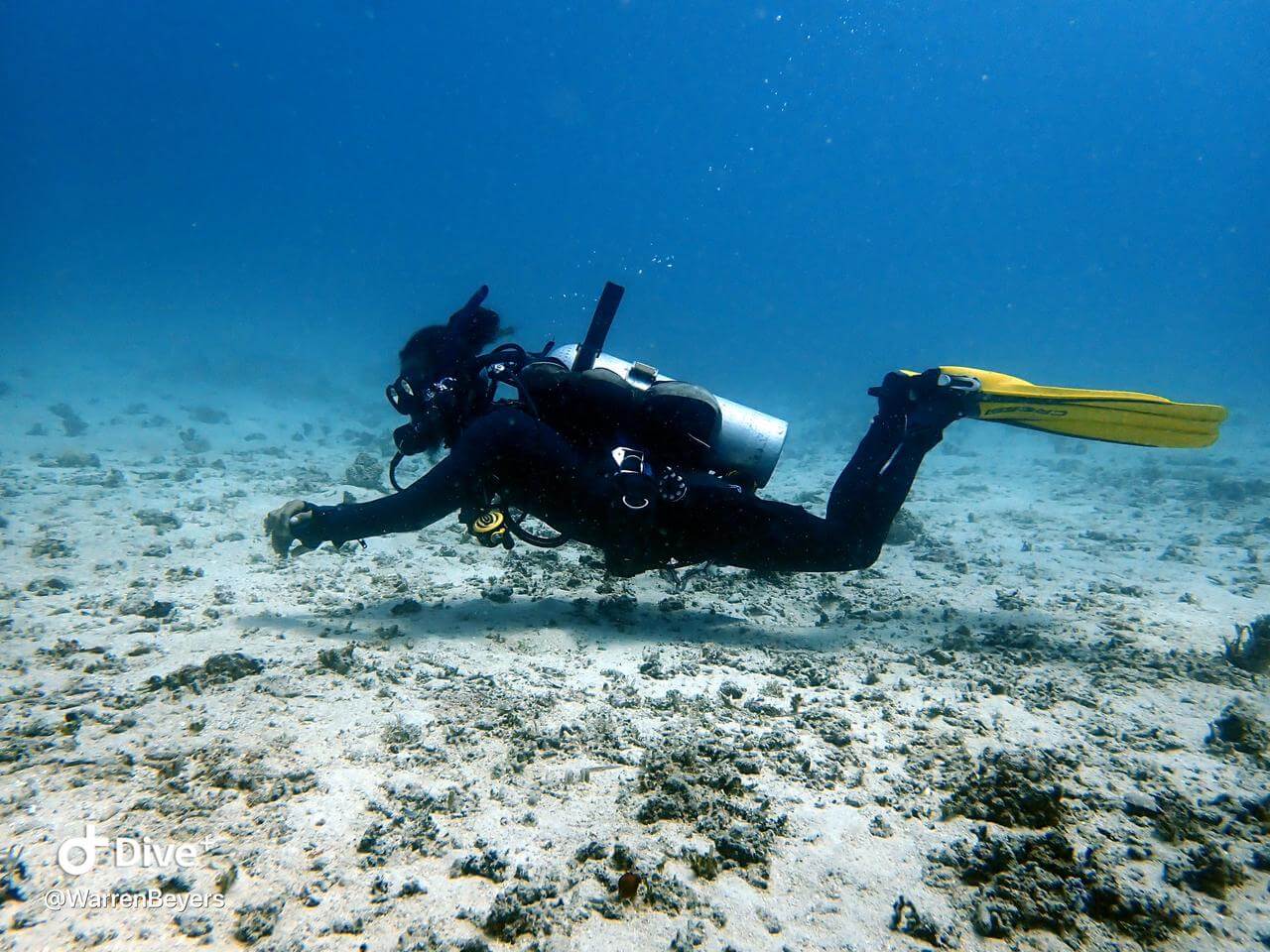
Buoyancy control is a foundation of professional diving.
What Does Perfect Buoyancy Actually Mean?
Perfect buoyancy does not mean remaining completely
motionless in every situation. It means having the control
to adapt your position deliberately, without constantly
fighting to stay at the same depth.
You should be able to stop swimming without immediately
sinking or floating upwards. Good trim helps you remain
balanced, with your fins and equipment clear of the bottom.
As a future Divemaster, you also need to maintain that control
while navigating, checking your group, communicating or
deploying a surface marker buoy.
Hovering without distractions is a starting point.
Maintaining control while paying attention to others
is the professional goal.
Why Always Diving Overweighted Does Not Help
Extra lead can make descending feel easier. But difficulty
descending does not always mean you need more weight.
Trapped air, incomplete BCD deflation, body position and
anxious breathing can also contribute.
Adding lead without checking the cause can hide the problem.
You may get underwater more easily while making the rest
of the dive harder to control.
When you carry unnecessary weight, you need more air in your
BCD to balance it at depth. That air expands during ascent
and compresses during descent, increasing the adjustments
needed to maintain neutral buoyancy.
An overweighted diver may compensate by kicking continuously,
swimming slightly upwards or adopting a head-up position.
The problem often becomes obvious when the diver stops
moving and begins to sink.
Your internship should teach you to balance yourself in
the water, rather than continually swim against excess lead.
Correct Weighting Is Not About Wearing the Least Lead
Buoyancy training is not a competition over who carries the
fewest kilograms. Being underweighted can also cause
problems, particularly towards the end of a dive as your
cylinder becomes lighter.
The correct amount depends on your exposure suit, cylinder,
equipment, body composition and whether you are diving in
fresh or salt water.
You need enough weight to maintain a controlled shallow stop
near the end of your dive, with your planned gas reserve
remaining in the cylinder.
Check your weighting with your instructor and reassess it
when your equipment or conditions change. Make adjustments
deliberately and under supervision.
More Dives Do Not Automatically Mean Better Buoyancy
Experience is valuable, but repeating poor habits can make
them harder to change. If you spend every dive overweighted,
kicking to maintain depth and using the bottom for support,
those are the habits you are practising.
A worthwhile internship should provide specific feedback on
weighting, weight distribution, trim, equipment configuration,
breathing and finning technique.
Practice should progress from maintaining a comfortable
hover to completing tasks while remaining in control.
The aim is steady improvement, supported by observation
and feedback.
Keep breathing naturally and continuously.
Never hold your breath to control buoyancy.
The Benefits of Reliable Buoyancy
1. More Comfortable and Efficient Diving
Good trim and balanced equipment reduce unnecessary
effort. Less corrective swimming can help you feel more
relaxed and may improve gas consumption. Conditions,
workload and individual breathing rates still matter.
2. Better Depth and Ascent Control
Reliable buoyancy helps you maintain your planned depth,
manage controlled ascents and hold a safety stop without
constantly moving your fins.
3. More Attention Available for Your Divers
When maintaining your own position requires less attention,
you can focus more on the group, navigation, buddy contact
and changes in conditions.
4. A Better Example for Other Divers
Guests notice how their guide dives. Calm movement,
secured equipment and staying clear of the reef
demonstrate the behaviour you describe in your briefing.
5. Less Accidental Contact with Marine Habitats
Controlling your body, fins and equipment helps prevent
accidental reef contact and reduces disturbance of
sediment and marine life.
Why Oceans 5 Gili Air Is Strict About Buoyancy
We believe professional training should develop habits that
continue long after certification. Buoyancy should be part
of everyday diving, rather than an exercise completed once
and then forgotten.
Our ocean skills are taught neutrally buoyant. We do not
use kneeling on the seabed as our normal working position.
We want future dive professionals to develop control,
awareness and task management together.
This does not mean you must arrive with excellent buoyancy.
Your internship is a place to learn, ask questions, receive
feedback and improve.
Being strict means we address the underlying cause when
someone relies on unnecessary lead, constant finning or
bottom contact to maintain their position.
We want you to finish your internship with skills you
can depend on and professional habits you can pass on.
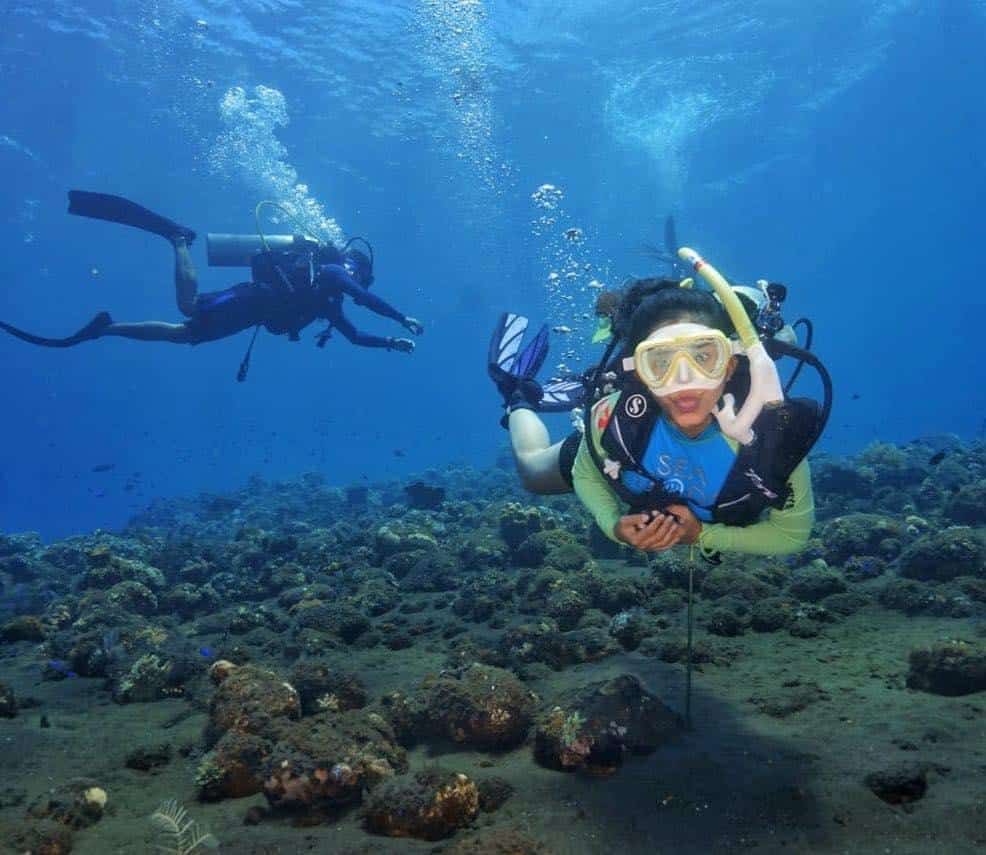
Responsible dive leadership connects practical skills with environmental awareness.
Buoyancy Is a Practical Conservation Skill
A diver can care about marine conservation and still cause
accidental damage. A misplaced fin can strike coral,
unsecured equipment can drag across the bottom and poor
positioning can stir sediment.
Good buoyancy helps turn environmental awareness into
responsible behaviour. It allows you to observe marine
life while keeping your body and equipment clear of
sensitive habitats.
These skills also matter during reef clean-ups and
underwater research. Handling equipment or collecting
information requires enough control to avoid damaging
the environment you are trying to protect.
Through
Gili Conservation Dive
,
we connect responsible diving with environmental education,
research and practical conservation around the Gili Islands.
Conservation begins with how we conduct every dive,
not only when we join a conservation activity.
What Should You Ask Before Choosing an Internship?
Look beyond the number of dives advertised. Ask how the
centre will help you improve the quality of your diving.
- Will instructors review your weighting and trim?
- Will you receive specific feedback and time to practise?
- Will you learn to complete tasks while neutrally buoyant?
- Do the professionals demonstrate the behaviour they teach?
- Is environmental responsibility part of everyday training?
A valuable internship should help you become both a more
capable diver and a more responsible dive leader.
Become a Divemaster Who Leads by Example
Develop the control, awareness and responsible habits that
support professional diving. Discover the Oceans 5 Gili Air
Divemaster internship and explore our approach to marine
conservation.